REVIEW · ST MAARTEN
St.Martin – St.Maarten: Small Group, Birding Tour / Bird Watching Tour
Book on Viator →Operated by Seagrape Tours · Bookable on Viator
Birds move fast here, so timing matters. This St Maarten bird-watching tour is built around early hours and tight habitat changes, from salt ponds to sandy shores, with an expert-led focus on species found across the Lesser Antilles.
I especially like the small group size (max 3) because you get real help spotting and identifying birds, not a frantic race for the best view. I also like that you’re not just looking from one spot: you travel through different habitats where shore birds and waders behave differently.
One thing to consider: you start at 7:30 am, so if you’re not a morning person (or you’re tied up elsewhere that day), this early start can feel like the hardest part.
In This Review
- Key highlights to plan for
- St Maarten birding at 7:30 am: the habitat tour that starts before the heat
- Your guide, binoculars, and a group size that actually helps
- Salt-water ponds and fresh ponds: where waders and shore birds concentrate
- Bushy areas and sandy shorelines: the cover-and-edges strategy
- How the sweet break turns sightings into learning
- What “up to 30 species” really means for your morning
- Price and value: why $129 feels fair for what’s included
- Getting to Dock Maarten Marina and what to expect on the ground
- Who should book this St Maarten bird watching tour
- Should you book this morning birding tour in St Maarten?
- FAQ
- What time does the bird watching tour start and where do I meet?
- How long is the St Maarten bird watching tour?
- What’s included in the tour price?
- Are tickets required?
- How many people are in the group?
- Can children join, and what’s the cancellation rule?
Key highlights to plan for
- 3-person max group means more attention while birding and less time waiting around
- Salt pond + fresh pond + bushy area + sandy shore covers multiple bird habitats in one outing
- Up to 30 species is a real target, including 6–10 Lesser Antilles natives
- Binoculars and a sightings notepad help you actually learn, not just take quick photos
- A homemade tea and banana bread break turns your list of sightings into a story
- Pickup from select St Maarten hotels plus transportation to the birding spots makes it easy to go
St Maarten birding at 7:30 am: the habitat tour that starts before the heat
St Maarten can look like a simple beach-and-resort island from a cruise pier. In the early morning, it turns into something else: a living map of bird habitats where movement is constant and the light is good for spotting. That’s why this tour starts at 7:30 am. When you’re birding, early beats late in a big way—birds feed, call, and move when the day is still cool.
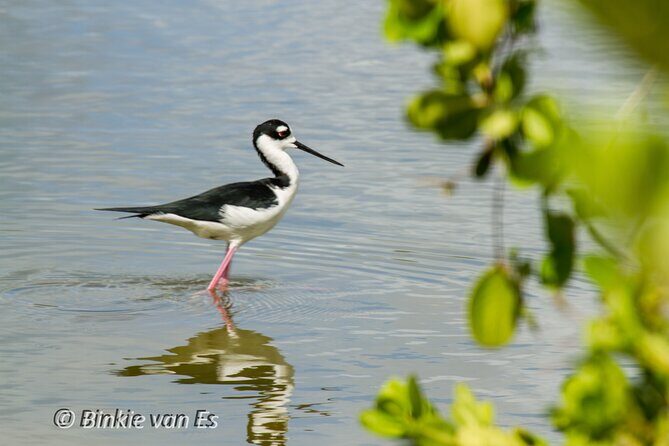
The tour is designed to do more than “walk and hope.” You’ll bounce between salt-water and fresh-water pond areas, plus bushy ground cover and shoreline zones. That matters because different birds use different rules. Some birds want open water margins. Others work the edge of ponds. Some prefer cover in shrubs or along rocky breaks in the coast.
If you’re coming from North America and you like the idea that birds don’t care about borders, this tour is a strong fit. Caribbean islands are major stopping points on migration routes, and the Lesser Antilles are part of that bigger story. Even on a single morning, you’re looking at birds that either breed locally or pass through as part of longer journeys.
Other Loterie Farm and nature hikes we have reviewed in St Maarten

Your guide, binoculars, and a group size that actually helps
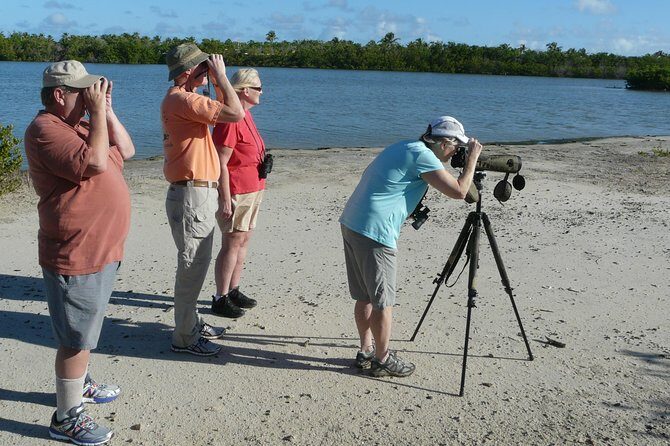
A big reason this outing earns strong marks is the guide. On different days, you may be led by bird experts such as Bindie (sometimes spelled Binkie) or Ilja, and the common thread is clear: they know where to find birds and they explain what you’re seeing in plain language.
The max group size of 3 changes the whole vibe. When you’re in a tiny group, you can ask questions and get help adjusting your view. You’re not trying to spot tiny movement while a larger group blocks your line of sight. You also get a better chance at those “wait, where was that?” moments—because someone can point you exactly to the action.
Practical perks add up here. You get binoculars to use during the tour, plus a complimentary notepad to record sightings. That’s a big deal for birding value. If you only rely on memory, you lose the learning fast. With a notepad, you can build your own mini list and then connect names to behaviors later.
And yes, you’ll likely hear plenty of talk about habitats and why certain birds share space while others don’t. That kind of explanation helps you become a better spotter, not just a person who sees birds that day.
Salt-water ponds and fresh ponds: where waders and shore birds concentrate
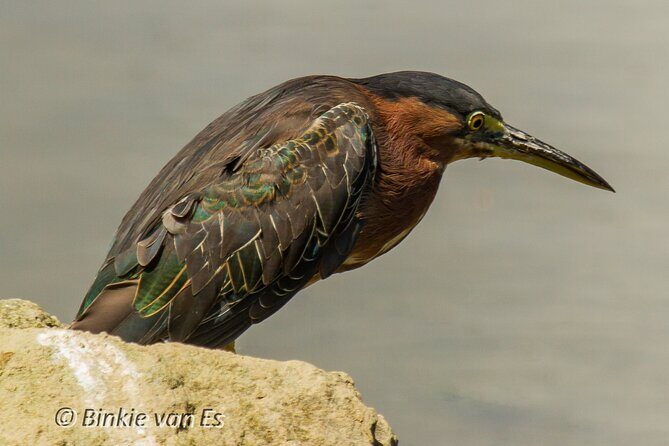
The tour’s habitat plan is smart: it doesn’t treat every stop like the same viewing spot. It starts with pond areas—at least one salt pond and one fresh pond—because these two environments attract different sets of birds and different feeding styles.
Salt ponds often draw birds that like brackish or coastal conditions. Watch for bird activity along the margins where water meets mud or shallow edges. That edge zone is where food gets stirred up and where wading birds can pick their way through without wasting energy.
Fresh ponds (even when they’re small) can shift the picture. You’re more likely to find birds that use the calmer water edges for feeding or moving between cover and open areas. In both pond settings, your guide’s job is to help you spot not only birds themselves, but patterns: where birds tend to pause, how they react when other birds move, and what kinds of behavior show up at different times.
One practical tip: pond birding is often about patience. You may see movement, then nothing for a few minutes. Then one bird lifts, another follows, and suddenly you get the shot—or at least the clear view—for identification.
The payoff is big because the tour isn’t just about one habitat. You’re comparing habitats in sequence, so the birds you see start to make sense as a group, not a random collection.
Bushy areas and sandy shorelines: the cover-and-edges strategy
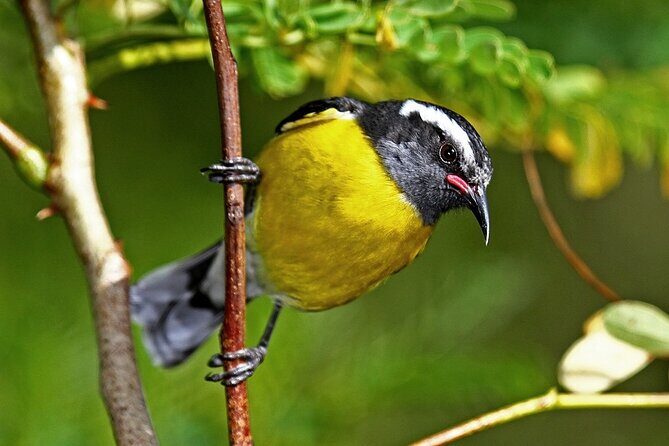
After the ponds, the tour moves into two other key habitat types: bushy areas and sandy shorelines. These stops are where you start noticing birds that don’t look “dramatic” at first glance, but are easier to find once you know what to scan for.
Bushy habitat matters because many birds prefer cover. Shrubs and low trees break up sightlines, and birds often feel safer working inside that structure. Your guide can help you read the landscape: what looks like plain greenery may actually be full of feeding or resting activity.
Sandy shores are different. This is where shore birds and waders often show up in feeding lines, especially when food is exposed by tide and shallow water. Sandy areas also give you room to track movement. A bird might be half a body out of view, then step forward and suddenly you’ve got a clean look. Sandy zones can be fast, so you benefit from the tour’s structure and timing.
Across both habitat types, you’re looking at a mix of birds found in shrubs, trees, and even urban settings. That’s not a gimmick. It’s a reminder that bird life here isn’t locked away in remote wilderness. Birds adapt, and the island’s mix of natural edges and human-adjacent spaces gives them lots of options.
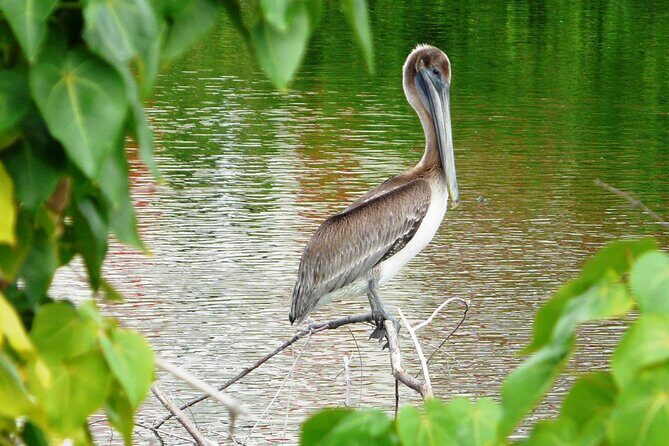
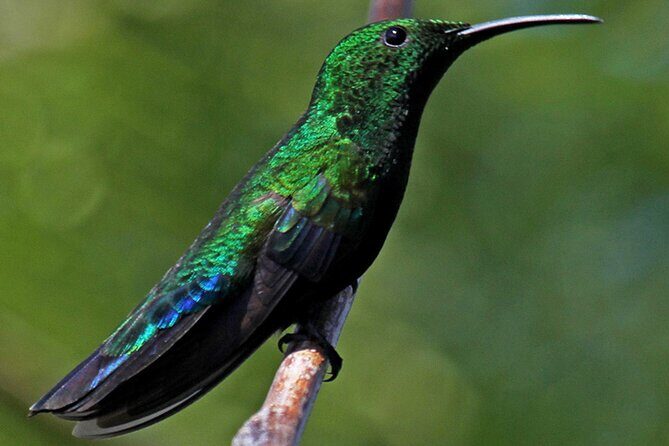
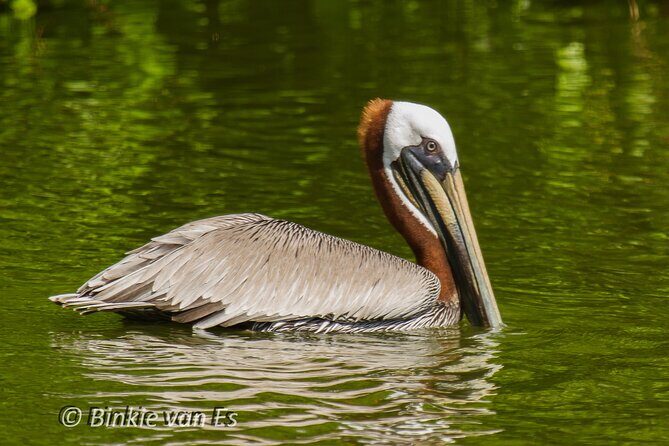
In the reviews and overall reputation for this tour, pelicans get mentioned as a standout sighting, but the real value is how the tour helps you find both the big moments and the smaller species that make birding satisfying.
How the sweet break turns sightings into learning
At some point during your morning, you’ll stop for a coffee and/or tea break, along with homemade snacks. The tea is described as iced-lemongrass tea, and there’s banana bread included, plus bottled water from a cooler.
This break is more than a rest stop. It’s part of the birding learning. When you’ve spent time scanning ponds, shrubs, and shore edges, it helps to sit down and talk through what you’ve logged. That’s when names start to stick and behaviors make sense. Your guide can also help you interpret partial sightings you might have missed earlier.
I also like this pacing because birding can turn into constant alertness. A short pause gives your eyes a chance to reset, and it keeps the tour feeling friendly rather than “just hurry up and spot.”
If you’re the type who keeps a list, use the downtime to fill in your notepad while the views are fresh. If you’re newer, the break is a great time to ask basic questions without feeling like you’re slowing the group.
- For hotel guests: Guided ATV Tour Dutch/French St. Maarten – Highlights & Beach
★ 5.0 · 1,766 reviews




What “up to 30 species” really means for your morning
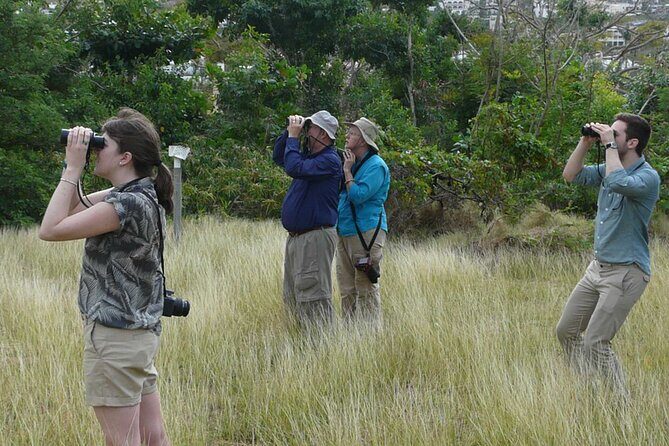
“Up to 30 species” is an ambitious target, and the tour frames it as a possible outcome. In practice, you’re setting yourself up for a strong morning if you go in with flexible expectations and a curious mindset.
The highlights also call out 6–10 species native to the Lesser Antilles. That’s the kind of detail that separates this from a generic wildlife walk. You’re not only scanning for common birds. You’re also looking for those island-associated birds that make the region matter ecologically.
You’ll likely see a mix of shore birds and wading birds, plus species found around shrubs, trees, and human-edge zones. That mix is exactly what you want if you’re learning how birds share space without acting like they’re in the same “neighborhood” all the time.
A practical way to get more out of the species list: don’t chase every name. Focus on one or two birds you can see clearly, then confirm traits. Color and size are helpful, but so are behavior patterns—how a bird probes, how it reacts to movement, where it chooses to pause.
Over time, birding becomes about building a mental library. This tour supports that because it gives you a notepad, binoculars, multiple habitats, and an expert guide to interpret what you’re seeing.
Price and value: why $129 feels fair for what’s included
At $129 per person, you’re paying for more than the guide’s time. You’re paying for a tight morning plan, binocular use, and a setup that keeps you focused on spotting rather than logistics.
Here’s what’s included that affects real value:
- Local guide to lead you through the right habitats
- Binoculars provided for you
- Homemade iced-lemongrass tea and banana bread (plus water)
- A complimentary notepad for your sightings
- Round-trip transportation from select St Maarten hotels
- Pickup offered, plus transportation that reduces hassle
Also, group size matters financially and emotionally. A maximum group of 3 means fewer people sharing the guide’s attention. That’s part of the cost equation, and it’s also why the experience feels higher touch than many standard tours.
One thing you should plan for: souvenirs and personal expenses aren’t included. If you like to buy postcards or snacks afterward, keep some extra cash or a card ready.
Getting to Dock Maarten Marina and what to expect on the ground
The meeting point is Dock Maarten Marina, at Battery Point Drive #1, along Juancho Yrausquin Blvd, Sint Maarten. The tour starts at 7:30 am and ends back at the meeting point.
If you’re staying at a hotel covered by the pickup route, that’s a plus because you can sleep in a bit less and focus on breakfast timing. If you’re not on the pickup list, plan for an easy arrival to the marina area. There’s also parking noted for the dock area, though it’s time-based.
What to wear? You’re moving through ponds, shrubs, and shoreline edges. I’d dress for morning sun and variable ground. Comfortable shoes and light layers help, because coastal mornings can shift quickly. If you’re prone to dry eyes, consider bringing eye drops—salt air can be a factor near shore.
Who should book this St Maarten bird watching tour
This is the kind of tour that fits a wide range of bird lovers—from first-timers to people actively chasing lifers. If you’ve never done birding in the Caribbean, the structured habitat stops give you a fast education. You learn how to scan, what to look for, and how to connect sightings to specific environments.
If you’re an experienced birder, the appeal is still there because the guide’s local bird-finding skill helps you get past the “I can’t see it” phase. The tour reputation includes people finding multiple lifers and enjoying longer chats about where birds show up.
This one may not be your best choice if you want a late start, a long beach walk, or a passive sightseeing rhythm. The focus is birds first, and the best results come from paying attention and staying flexible during quick habitat transitions.
Should you book this morning birding tour in St Maarten?
If you want a St Maarten experience that feels more like nature study than a checklist, I’d book it. The strongest reasons are practical: small-group attention, an actual habitat route (ponds, bush, sand, coast), and a guide who helps you make sense of what you’re seeing.
I’d also say book it if you value learning in the moment. The notepad + binoculars + guided discussion after the sweet tea snack turns the trip into more than a one-off sighting.
If you’re only here for a quick highlight and you hate early mornings, you can still enjoy birds on your own later—but you’ll miss the timing advantage built into this plan.
Go for it when you can commit to the 7:30 am start. This tour is at its best when you’re ready to scan, pause, and enjoy the quiet drama of birds working the shoreline.
FAQ
What time does the bird watching tour start and where do I meet?
The tour starts at 7:30 am at Dock Maarten Marina, Battery Point Drive #1, 26 Juancho Yrausquin Blvd, Sint Maarten. It ends back at the same meeting point.
How long is the St Maarten bird watching tour?
The tour runs about 4 hours (approx.), with wording that it may be plus time.
What’s included in the tour price?
Binoculars are included, along with a local guide, bottled water, and a homemade refreshment/snack setup (iced-lemongrass tea and banana bread). You also get help recording sightings with a complimentary notepad, and there is transportation included from select St Maarten hotels.
Are tickets required?
An admission ticket is listed as free for this activity, and a mobile ticket is provided.
How many people are in the group?
The maximum group size is 3 travelers.
Can children join, and what’s the cancellation rule?
Children must be accompanied by an adult. There is free cancellation: you can cancel up to 24 hours in advance for a full refund. Canceling within 24 hours does not receive a refund.


More Tours in St Maarten
- For hotel guests: Guided ATV Tour Dutch/French St. Maarten – Highlights & Beach
★ 5.0 · 1,766 reviews


More Tour Reviews in St Maarten
- For hotel guests: Guided ATV Tour Dutch/French St. Maarten – Highlights & Beach
★ 5.0 · 1,766 reviews