
REVIEW · ST MAARTEN
Historical Guided Walking Tour of Marigot by ISLAND FRIEND
Book on Viator →Operated by ISLAND FRIEND · Bookable on Viator
Marigot tells its story in walking distance. This historical guided walking tour of the French capital of St. Martin lets you see how the town shifted over centuries, moving from older street traces to modern-looking corners, all with Stéphie as your guide.
I particularly like the way the tour turns facts into street-level details, with old photos and clear explanations that help you notice what you would normally miss. I also like the practical pacing: it’s about 90 minutes, with several short stops so you can keep your eyes up instead of only listening.
One consideration: the experience needs good weather, so if rain is on the way, it can change plans. Also, because it is focused on Marigot’s historic core, it’s not the kind of tour for people who mainly want beaches or swimming time.
In This Review
- Key highlights worth your attention
- Marigot’s past, told by streets (not museum dust)
- Fort St. Louis: the viewpoint start that sets the tone
- Rue de la République: creole architecture and the prison-to-church sequence
- Rue de la Liberté: movies, repurposed buildings, and hurricane scars
- Collectivité garden at Saint Martin: mayors, elections, and civic identity
- Finishing on Rue de la République: the “what are those buildings?” moment
- The guide factor: why Stéphie’s style makes this work
- Price and time: what you’re really paying for
- What kind of traveler this suits best
- Before you go: how to make the most of 90 minutes
- Should you book this Marigot walking tour?
- FAQ
- How long is the Historical Guided Walking Tour of Marigot?
- What does the tour cost?
- Where does the tour start and end?
- Who is the guide?
- Is this tour private?
- Do I need to buy tickets for the stops?
- Do I get a mobile ticket?
- What if the weather is bad?
- Can I bring a service animal?
- FAQ
- Is there free cancellation?
Key highlights worth your attention
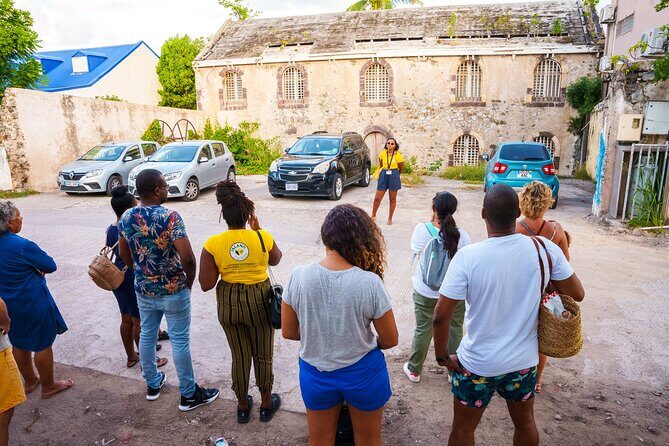
- Stéphie’s street-by-street storytelling: you get explanations that make the buildings feel personal, not like a textbook.
- Fort St. Louis stop with an included admission ticket: you start with a view and context, not just a random entrance fee.
- Rue de la République walking focus: creole architectural houses, plus civic and religious landmarks tied to the town’s past.
- Rue de la Liberté chapter: you learn how places were used over time, including an elementary school repurposed as a public service.
- Collectivité garden and the mayors’ timeline: political history shown through the spaces where governance happens.
- A private tour for only your group: easier to ask questions and move at a comfortable pace for your people.
Marigot’s past, told by streets (not museum dust)
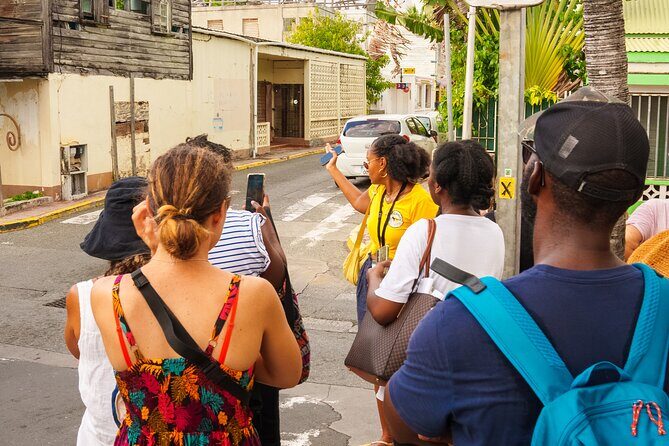
If you want to understand Marigot, this is the kind of tour that gives you the map for what to look at once you’re off the route. In roughly 1 hour 30 minutes, you move from 17th-century references to present-day changes you can still see in the layout and architecture. The story is grounded in the town itself: streets, facades, and civic corners.
You’ll hear how the island and its capital evolved in everyday ways, from dirt roads to asphalt, from animal transport like donkeys and horses to cars, and from older wooden structures to concrete buildings. That’s the real value here. It’s not just big events and names. It’s how daily life changes shape a place.
This is also a tour built for attention. The stops are short, so you don’t feel dragged from one site to the next. You’ll keep scanning windows, street signs, and building styles because the guide points out traces of the past as you go.
Other Marigot and French-side tours we have reviewed in St Maarten



Fort St. Louis: the viewpoint start that sets the tone
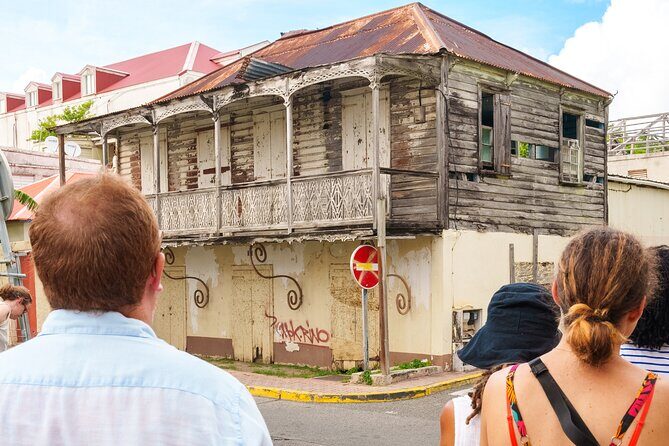
The walk begins at Fort St. Louis in Marigot on the French side of Saint-Martin. The timing is tight and helpful: about 15 minutes, including an admission ticket. You’re not just paying to enter a site; you’re using it as a launchpad for the tour’s theme of time and change.
From the fort, you get a view over Marigot, which matters because it teaches you how the town sits in the landscape. Even if you don’t memorize everything right away, the viewpoint helps your brain build context: where the streets lead, how neighborhoods relate, and why the center has its specific character.
What to expect: a quick orientation and historical framing before you start walking the streets.
Possible drawback: if you prefer long stops and lingering photos, the fort portion is brief. The tour keeps momentum, so you’ll likely want to come back afterward if you fall in love with the spot.
Rue de la République: creole architecture and the prison-to-church sequence
Your second stop focuses on Rue de la République, one of the main historic threads of Marigot’s French side. You start with a quick stop at the old prison, then move toward the Roman Catholic Church in Marigot. The guide connects these places to how the town organized itself over time.
Then comes the part you’ll probably remember: creole architectural houses. This is where the tour helps you train your eye. Instead of just calling buildings pretty, Stéphie explains what makes the streets feel distinctly creole and how that style relates to Marigot’s story.
Why it’s valuable: architecture is the visual language of history. Once you understand a few key patterns, you start spotting them on your own around town.
Tip for you: keep your phone camera ready, but also spend a few seconds looking without it. Some of the details the guide calls out are easier to catch with a direct glance than through a screen.
Rue de la Liberté: movies, repurposed buildings, and hurricane scars
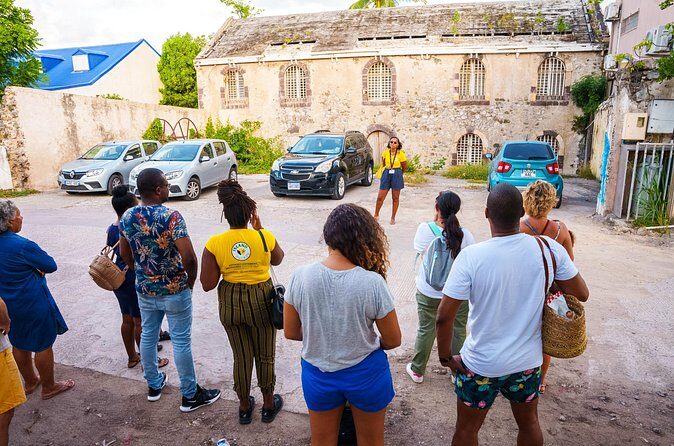
Rue de la Liberté is where the tour feels like a living timeline. The guide points out that a famous movie was filmed there, which can be a fun hook if you like pop-culture breadcrumbs. But the stronger value is how the street’s buildings changed roles.
You’ll learn about an elementary school that became a public service. You’ll also hear about a Methodist church that was cherished during colonization and later destructed by Hurricane Irma. That’s a reminder that history isn’t just old. It’s also recovery, loss, and the way communities rebuild what storms break.
The itinerary summary hints there are more stops and stories on this street beyond the examples above, and the pacing suggests you’ll get multiple quick “look closer” moments rather than one long lecture.
What to expect: a set of short, story-heavy stops where you connect place to use over time.
Possible drawback: if you are not a fan of listening while walking, this is the section where you need to lean in. The street is a lot of information in a small space.
Collectivité garden at Saint Martin: mayors, elections, and civic identity
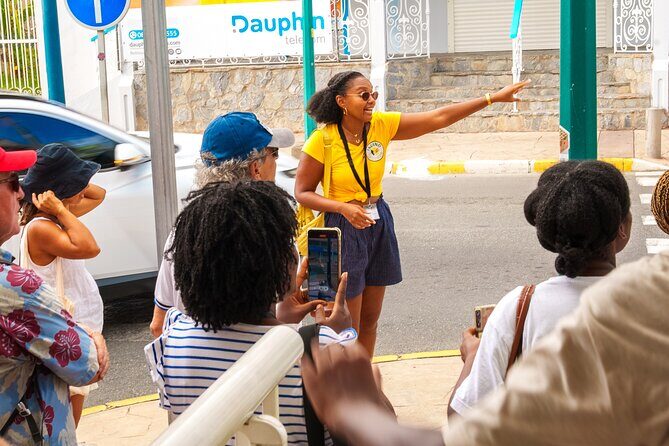
Another standout stop happens at the garden of the Collectivité of Saint-Martin. This is one of those places that can look like a calm green area until you learn it’s tied to how local power works.
Here, you’ll hear stories of each mayor and their elections. That adds a layer people often skip when they only focus on architecture. Marigot isn’t just buildings. It’s governance, leadership, and decisions that shape the town’s direction.
Why this stop matters: civic history helps you interpret the rest of what you see. When you understand how leaders and elections connect to public buildings and public spaces, the town feels less like a random collection of sights.
How long it lasts: about 15 minutes. So it’s focused, not overwhelming.
Tip for you: keep your questions for this stop. Governance topics are easier to ask about when you can point at the exact setting.
Other walking and eco tours we have reviewed in St Maarten



Finishing on Rue de la République: the “what are those buildings?” moment
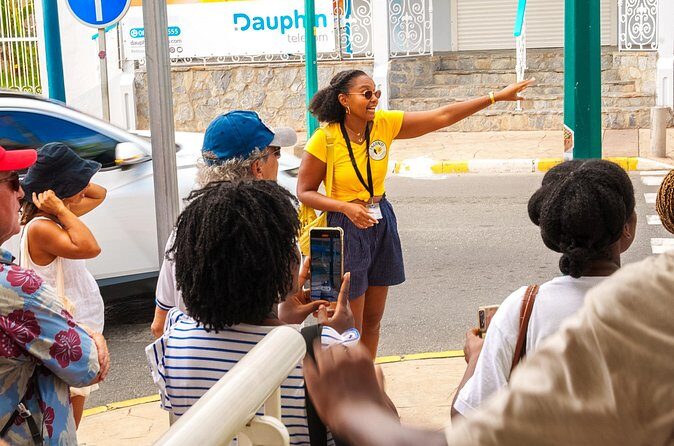
The tour ends back along Rue de la République, at the end of this important street on the French side. This final stretch is built around noticing. The guide highlights that culture comes alive here, but the key is that two main buildings have been maintained for decades.
You don’t need to guess in advance, but you should expect the guide to make you look. One part of the tour format is clearly interactive: the unfinished prompt about which buildings are those tells you the guide will be calling your attention to specific landmarks and asking you to identify them.
What to expect: a closing walk that ties the story together and helps you connect earlier stops to what remains today.
Practical angle: because the tour ends on Rue de la République, you’re well placed to keep exploring on your own after it finishes.
The guide factor: why Stéphie’s style makes this work

The reviews emphasize one thing that’s rare and valuable: the guide doesn’t just recite dates. Stéphie uses old photos and stories, and she’s described as eloquent and welcoming. When a walking tour uses images, it helps you connect a modern street to what was there before.
There’s also a practical benefit to this approach. One review notes that a museum no longer exists, and this tour still fills the gap. That tells me the tour is built to function even when there’s less “indoor” history available on site. You’re basically getting street-based interpretation that acts like a substitute for what you might otherwise find in a museum.
Also, the tour has a private-group format, which can change the feel of the experience. Instead of a rigid group schedule, you can ask questions and get answers targeted to your interests.
Price and time: what you’re really paying for
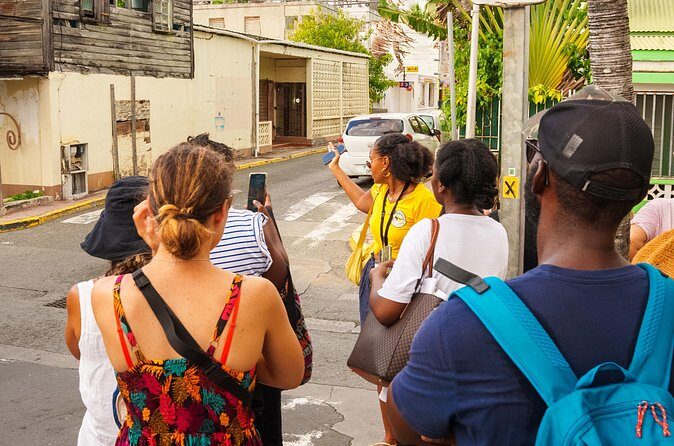
The price is $32.41 per person for about 1 hour 30 minutes. That’s not a budget bargain, but it also isn’t heavy for a guided experience in a place where walking history can be hard to decode on your own.
Here’s where the value comes from:
- You get an included admission ticket at Fort St. Louis, which helps justify the price compared to a tour that’s only “no-ticket walking.”
- Most other stops are free, so you’re paying for interpretation more than for entrances.
- Private tour format means you’re not fighting for your turn to ask something, and the guide can keep the pace aligned with your group.
A few people also found it ran closer to 2 hours than the stated duration, which you should see as a good sign if you want time for questions and details. If you’re on a tight schedule, you may want to plan a little buffer afterward.
What kind of traveler this suits best
This walking tour is ideal if you want a history lesson you can actually use. If you land in Marigot and feel like you’re looking at streets without understanding what you’re seeing, this is the fix. You’ll leave knowing what to look for: creole architectural cues, the civic footprint of the Collectivité, and the way certain streets served different roles over time.
It’s also a good fit if you like guides who tell stories with visual support, like old photos. The route is short enough that most people can handle it, and it’s not a hike.
One more practical thought: the focus is the French side of Saint-Martin and the Marigot center. If you want the whole island in one sweep, you’ll need additional plans. This tour is about depth in the town you’re standing in.
Before you go: how to make the most of 90 minutes
Since the route is weather-dependent, pick a day when you can walk comfortably without rushing. Bring water, and wear shoes that work on street surfaces. Even when stops are short, you’re moving between viewpoints, streets, churches, and civic spaces.
Also, let the tour change how you walk. Rather than speed-scanning, slow down for a few seconds at each stop. The guide’s job is to point out traces of the past, but your job is to actually look while you’re there.
If you’re planning what to do after, Rue de la République is a smart place to continue on foot. Ending there means you can keep exploring without having to jump across town immediately.
Should you book this Marigot walking tour?
Book it if you want a guided way to understand Marigot’s evolution from older centuries into today, with Stéphie using photos and stories to help you read the town. The combination of a viewpoint start at Fort St. Louis, creole architecture on Rue de la République, and the repurposed-building and Hurricane Irma context on Rue de la Liberté makes it feel like real place-learning, not generic sightseeing.
Skip it or pair it with other plans if you mainly want beach time or a long, slow tour where you linger at each site. Also, keep weather in mind. When conditions are poor, walking-history tours suffer.
If your goal is to leave Marigot with your eyes trained and your questions answered, this one is a solid choice.
FAQ
How long is the Historical Guided Walking Tour of Marigot?
It lasts about 1 hour 30 minutes.
What does the tour cost?
The tour price is $32.41 per person.
Where does the tour start and end?
It starts at Fort St. Louis, Marigot 97150, St Martin and ends at Rue de la République, Marigot 97150, St Martin.
Who is the guide?
The tour is guided by Stéphie.
Is this tour private?
Yes, it’s private, and only your group participates.
Do I need to buy tickets for the stops?
At Fort St. Louis, an admission ticket is included. Other listed stops note admission is free.
Do I get a mobile ticket?
Yes, the tour uses a mobile ticket.
What if the weather is bad?
The experience requires good weather. If it’s canceled due to poor weather, you’ll be offered a different date or a full refund.
Can I bring a service animal?
Service animals are allowed.
FAQ
Is there free cancellation?
Yes. You can cancel up to 24 hours in advance for a full refund. If you cancel less than 24 hours before the start time, the amount paid is not refunded.



More Tour Reviews in St Maarten
- For hotel guests: Guided ATV Tour Dutch/French St. Maarten – Highlights & Beach
★ 5.0 · 1,766 reviews